A manuscript about a classified Pentagon UFO program entered the Defense Department’s prepublication review system in March 2020. It came out the other side, cleared, without a single substantive objection from any of the three agencies that read it, about fourteen months later. The paperwork behind that gap is now public. It does not explain the gap.
What The Black Vault Got
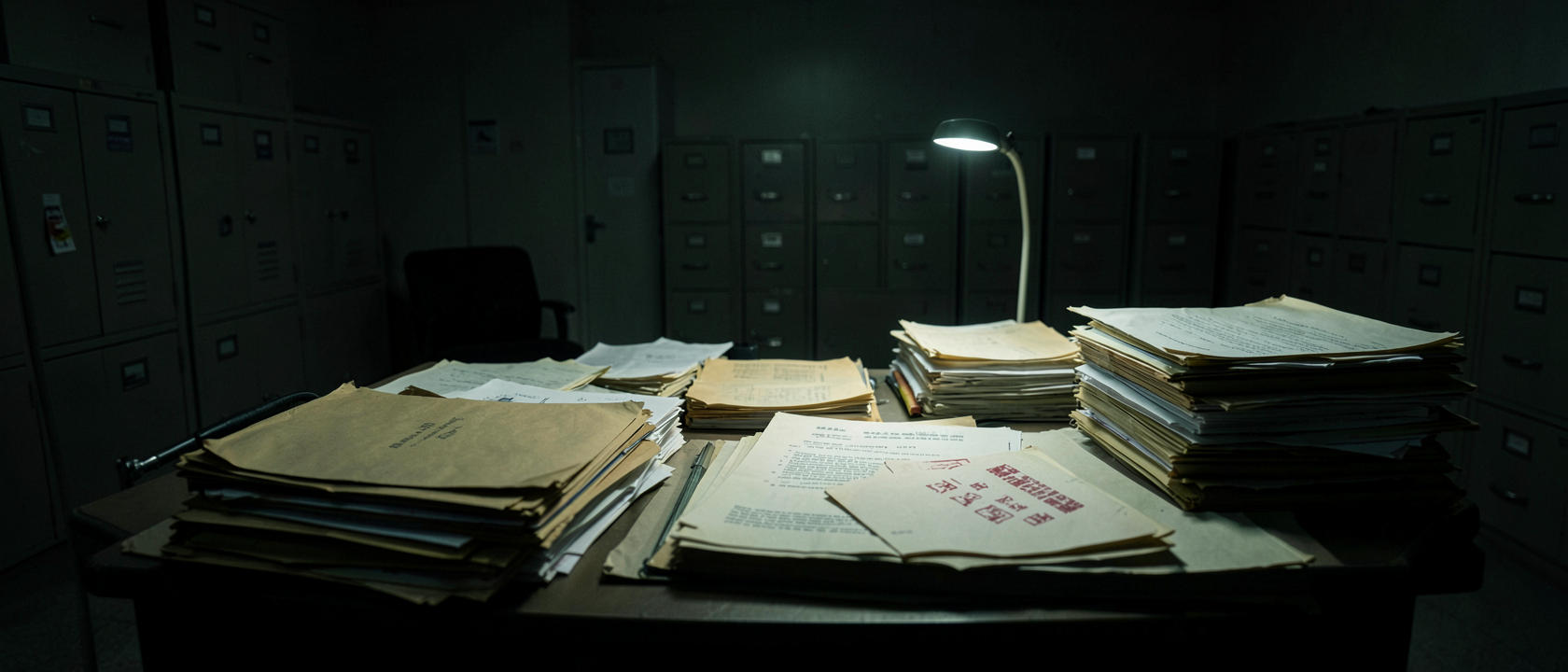
The Black Vault filed a Freedom of Information Act (FOIA) request, logged as case 22-F-0035, and published the resulting release, 108 pages and 3.6 megabytes, on August 12, 2025. There is no cover narrative. The file is the correspondence itself: emails between the book’s lead author, James Lacatski, and Kelly McHale of the Defense Office of Prepublication and Security Review (DOPSR), the Pentagon office that checks manuscripts by current and former officials before they reach a publisher, plus a final determination memo dated May 11, 2021. This is what exists, and when it surfaced. Nothing about content or motive is established yet.
Into the System
The book, “Skinwalkers at the Pentagon: An Insider’s Account of the Secret Government UFO Program,” by Lacatski, Colm Kelleher, and George Knapp, went to DOPSR in March 2020. Lacatski was a former figure in the Advanced Aerospace Weapon System Applications Program, a two-year Defense Intelligence Agency (DIA) contract that ran from 2008 to 2010; Kelleher had run its day-to-day operations for the contractor, Bigelow Aerospace Advanced Space Studies. The manuscript was routed to three agencies: DIA, the U.S. Air Force, and the Department of Homeland Security. Nothing in the emails marks this as an unusual submission at the outset; multi-agency review is standard for a manuscript touching more than one command’s information. Over the following year, Lacatski’s messages track rising impatience. In one, he tells McHale the process has reached “the fourteen month point” and guesses the delay “may very well be one person,” naming no one. He also pushes DOPSR to set a firm deadline.
Cleared As Amended
On May 11, 2021, DOPSR issued its determination: cleared as amended. All three agencies had signed off. DIA’s required changes were narrow: redactions covering personally identifiable information, protected health information, and the names of certain government employees. The finished book carries a different number, case 20-SB-0058, DOPSR’s own file reference for the review, separate from the FOIA case number under which The Black Vault later obtained the correspondence. No agency is recorded objecting to the manuscript’s substance or its claims about the program it describes.
The Ordinary Explanation
Asked about the length of the review, McHale pointed to slow agency turnaround, pandemic-era telework restrictions, and the logistics of coordinating three offices at once. In one email she told Lacatski, “We never intend for reviews to take this long,” adding that she was keeping the pressure on. The timing fits: March 2020 to May 2021 covers the worst stretch of COVID-era disruption to federal offices, and the explanation needs no hidden motive to work. But the release contains no agency-by-agency timeline, no memo showing which office held the manuscript longest, and no internal accounting that would let a reader confirm the explanation rather than simply take McHale’s word for it.
What the Paperwork Doesn’t Say
The 108 pages do not specify what, beyond the three privacy categories, was reviewed or cut. There is no marked-up draft and no itemized list of redactions beyond the final memo’s summary. The file does not name the office or person Lacatski suspected of causing the worst delays; his own email names no one. And nothing in the release explains why a review that ended with no real objections still took fourteen months. These are gaps in the file. They are facts about what DOPSR released under FOIA, not evidence about what any missing material said.
What Kelleher Said Afterward
Co-author Colm Kelleher discussed the review on Coast to Coast AM after the book’s October 10, 2021 publication, and his account goes further than the file in several places. He said DOPSR made them cut references to specific offices and some “security-related verbiage,” and required that any active-duty or currently serving government employee named in the book be given a pseudonym, including one of the four pilots involved in the 2004 “Tic Tac” incident, whom Kelleher said turned out to still be on active duty. He said the manuscript went to four agencies, not the three named in the release. He called the delay a product of “the COVID,” stated as the cause rather than as one item on McHale’s list of three. And he said reviewers left in most of the book’s detail, including Appendix One’s summary of more than 100 reports delivered to DIA, adding that of the material they expected to lose, “none of it was removed.”
Where the Record and the Claim Diverge
Kelleher’s account differs from the file in two directions. In places it adds detail the record doesn’t contain: the pseudonym requirement, the fourth agency. In others it turns a stated possibility into a certainty: COVID as the cause, rather than one factor among the three McHale named. Neither makes his account false. A radio interview carries no obligation to cite its FOIA source. But neither can be checked against the paperwork that is supposed to explain the fourteen months, because that paperwork does not explain it either. The record shows a clean bill from three agencies and the memo that closed the file. It does not show why closing it took so long. Both facts sit in the same release. Neither one settles the other.