
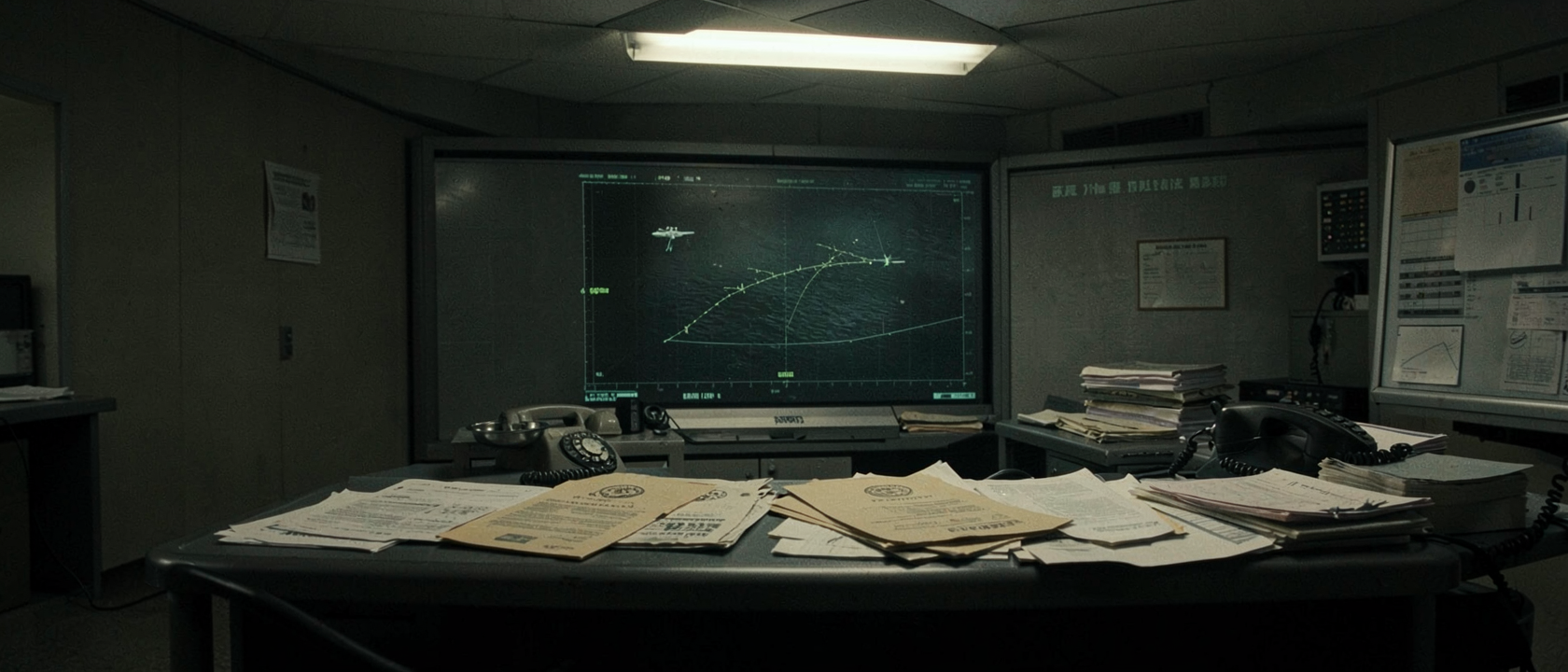
A Month’s Warning
A month before two Cessna planes went down over the Florida Straits, FAA official Cecilia Capestany put the danger in writing. Her email referred to “further taunting of the Cuban Government” by overflights from the exile group Brothers to the Rescue, and to State Department concern about a “worst case scenario”: “one of these days the Cubans will shoot down one of these planes and the FAA better have all its ducks in a row.” On February 24, 1996, Cuban MiG fighters shot down two unarmed Cessna 337 Skymasters belonging to the group, killing the four pilots aboard.
On May 19, 2026, the National Security Archive, a research institute based at George Washington University, published the FAA records containing Capestany’s warning, alongside four others. Read together, they describe an agency, and the officials pressing it, naming the danger well in advance, and the flight that triggered it going up anyway.
Five Documents, One Release Date
The release comprises five FAA records: Capestany’s email; a status report on Brothers to the Rescue by Michael Thomas, manager of the FAA’s Miami Flight Standards District Office; a chronology of FAA interactions with group president Jose Basulto from early 1995 into January 1996; an hour-by-hour account of February 24, 1996, including radio transcripts; and the cease-and-desist order the FAA issued against Basulto after the shootdown.
All five were obtained years earlier under the Freedom of Information Act by William LeoGrande and Peter Kornbluh for their 2014 book, Back Channel to Cuba. The Archive’s 2026 posting is the first time the five appeared as standalone documents rather than citations in a book. None carries a file reference number in the release.
A Year of Warnings
The FAA chronology dates the trouble to early 1995, when Cuba began filing formal protests over Brothers to the Rescue flights it said violated its airspace and dropped political leaflets. In August 1995, after one such overflight of Havana, a White House meeting including Cuba policy official Richard Nuccio weighed a specific fear: that Cuba might respond to a future flight with land-based gunfire. Thomas’s status report records a Cuban government statement soon afterward citing Havana’s “firm determination” to defend its airspace from further incursions.
By the time Capestany wrote her email, the fear had a timetable attached to it. The email also notes that Undersecretary of State Peter Tarnoff had personally called Transportation Secretary Federico Peña to check on “our case against Basulto.”
February 23–24, 1996, Hour by Hour
On the night of February 23, 1996, Nuccio emailed National Security Advisor Sandy Berger, writing that previous overflights had been met with restraint, but that tensions inside Cuba were high enough that this one might “finally tip the Cubans toward an attempt to shoot down or force down the plane.” Nuccio then called FAA officials in Miami and asked them to block the flight planned for the next day. They refused, agreeing only to warn Basulto again not to enter Cuban airspace.
The FAA’s hour-by-hour chronology for February 24 records Basulto radioing a greeting to Havana air traffic control and announcing the group’s planes would fly near the city. A Cuban controller warned him that the airspace north of the 24th parallel was active and dangerous to cross. Basulto replied that Brothers to the Rescue understood the risk and intended to proceed “as free Cubans.” The controller acknowledged the message. Cuban MiGs then shot down two of the three Cessnas in the air that day, killing Carlos Costa, Armando Alejandre Jr. Mario de la Peña, and Pablo Morales. Basulto’s own plane, with four aboard, escaped unharmed.
The Only Finding on Record
None of the five documents contains an official finding on responsibility for the shootdown itself. The closest thing to a conclusion is the cease-and-desist order the FAA issued against Basulto afterward, which found that he had operated “carelessly or recklessly” in a manner endangering lives, and ordered him and Brothers to the Rescue to stop flying into Cuban airspace. That finding addresses Basulto’s conduct on February 24, not the FAA’s own decision, made that same day, not to ground the flight.
What the Paper Trail Doesn’t Say
Four things the five documents leave unresolved. They do not explain why FAA officials in Miami refused Nuccio’s direct request to block the February 24 flight, hours after he had warned the National Security Advisor a shootdown was likely. Nor do they explain why Basulto’s pilot’s license was never permanently revoked, despite years of FAA warnings and a chronology that records him filing false flight plans more than once. The documents are also silent on reported Justice Department preparations against Raúl Castro, then Cuba’s defense minister; a federal indictment handed down April 23, 2026, and unsealed in Miami on May 20, 2026, the day after the Archive’s release, charged Castro and five co-defendants with conspiracy to kill U.S. nationals, four counts of murder, and two counts of destruction of aircraft, but that case sits outside the FAA paper trail and is not addressed by it. And none of the five records carries a file reference number, leaving the underlying case files unidentified for anyone seeking to check the Archive’s transcription against the originals.
“A Greek Tragedy”: What Came After the Record
LeoGrande and Kornbluh, in Back Channel to Cuba, called the episode “a Greek tragedy that played out in the skies over Cuba.” Their account adds a detail the FAA documents do not contain: that in January 1996, Fidel Castro secretly agreed with then-Congressman Bill Richardson to release political prisoners in exchange for a promise that President Clinton would ground Basulto’s flights, and that Richardson told Castro he had secured that commitment. According to the authors, he had not, he had spoken only with White House aides, who in turn approached Secretary Peña, who could not make the FAA act before February 24.
That is where the book’s narrative goes beyond the documents. The five FAA records state what officials warned, when they warned it, and what the agency concluded after four men were dead. What stopped anyone with the authority to ground one flight from doing so is not in them.