
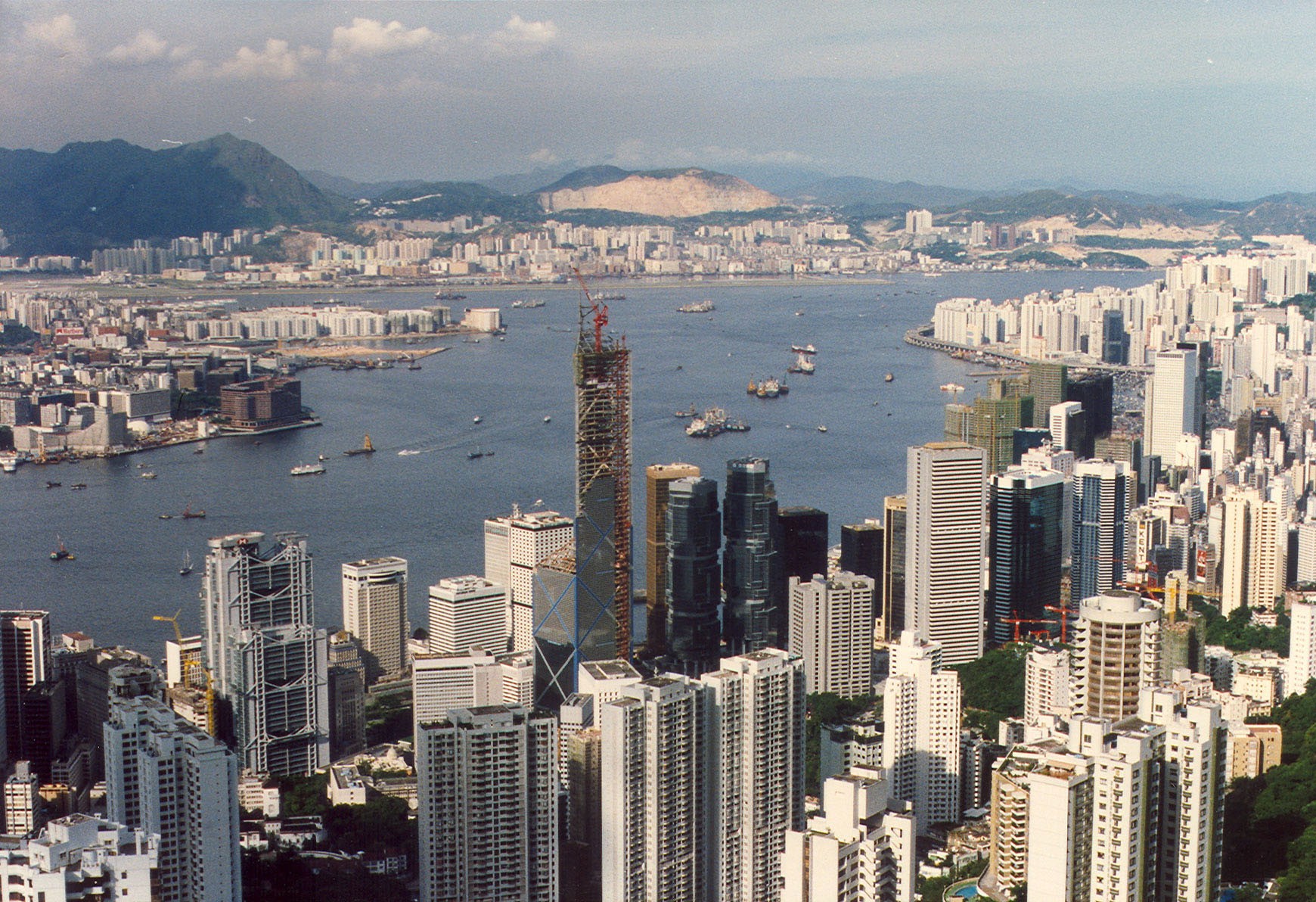
British Hong Kong was a colony and dependent territory of the United Kingdom from 1841 to 1997, centred on a harbour the British began using in the early 1840s. At that time the area held more than 3,000 inhabitants living in villages and 2,000 fishermen living in their boats. By 1996 the population had grown to an estimated 6,217,556 people, with a density of 5,796 per square kilometre. Over a century and a half it moved from a trading outpost into a free-trade zone and later an offshore financial centre.
Key facts
- Country: United Kingdom
- Type: crown colony; British Dependent Territory; former administrative territorial entity
- Coordinates: 22.2801, 114.1603
- Founded: 26 January 1841
Status and administration
Hong Kong was founded as a British possession on 26 January 1841 and was classified as a crown colony of the United Kingdom from 1841 to 1981. In 1981 its status changed to that of a British Dependent Territory, a designation it held until 1997. The colony sat at coordinates 22.2801, 114.1603 on the southern coast of China.
Economy
In its first decade, revenue from the opium trade was a key source of government funds for the colonial administration. Land auctions held in the colony’s earliest years raised over £200,000 by 1844, money used to fund roads and government buildings. The discovery of gold in California in 1849 turned Hong Kong into a center for Chinese emigration from Guangdong Province to the United States, which helped build the colony’s economy.
The colonial economy rested on free trade and a policy of positive non-interventionism. It flourished first as a free-trade zone and later developed into an offshore financial centre. Toward the 1970s, Hong Kong moved away from the textile industry and began developing its financial and banking economy instead.
Urban development and wartime occupation
The Peak Tram funicular railway opened in 1888, transforming access to Victoria Peak. The colonial government later implemented the Peak District Preservation Ordinance, which restricted non-Europeans from residing on Victoria Peak.
During the Japanese occupation of 1941 to 1945, at least two Shinto shrines were built in Hong Kong, including the Hong Kong Shrine erected around the Botanical Gardens. By the time the British returned at the end of the war in August 1945, the population had been reduced to approximately 600,000 residents, down sharply from its prewar levels.
Did you know
- The name “Hong Kong” comes from a Cantonese term meaning “fragrant harbor.” (loc.gov)
- Land auctions in the colony’s earliest years raised over £200,000 by 1844, used to fund roads and government buildings. (grokipedia.com)
- At least two Shinto shrines were built in Hong Kong during the 1941-1945 occupation, including the Hong Kong Shrine erected around the Botanical Gardens. (hongkongfp.com)
Data sources
Where it appears
- FOI Search for 1981 Nationality Act’s Constitutional Basis Finds Nothing November 24, 2026
Data updated: 2026-11-24