
A File Named for Itself
The document, filed as DODIG-2022-039, carries its own description in its title: a review of the Department of Defense’s role, responsibilities, and actions to prepare for and respond to the protest and its aftermath at the U.S. Capitol Campus on January 6, 2021. Running 153 pages, it was produced by the DoD Office of Inspector General and opened on January 15, 2021, by the department’s Acting Inspector General, in the closing days of the outgoing administration. Ten months passed before the report reached the public: the DoD OIG published it on November 16, 2021, and it surfaced two days later, on November 18, via The Black Vault, a public archive built from Freedom of Information Act requests. By then the inspector general’s office was still being run on an acting basis; the report names Sean O’Donnell as Acting Inspector General, a title he held alongside his separate post as Inspector General of the Environmental Protection Agency. What has circulated since is the excerpt that is publicly available, which is not the same thing as having all 153 pages in hand.
What the Report Describes
An incident sits at the center of the review, described in flat terms: protest and rioting at the U.S. Capitol Campus on January 6, 2021, during which requests for military and National Guard support were made to the Department of Defense, both before the event and as it unfolded, and were acted on by the department. The report does not use that description to assign responsibility or to characterize the pace of any response. It simply names what happened as the subject of the inquiry that follows, and everything else in the document, as available, builds outward from that single sentence of context.
The Paper Trail, Measured
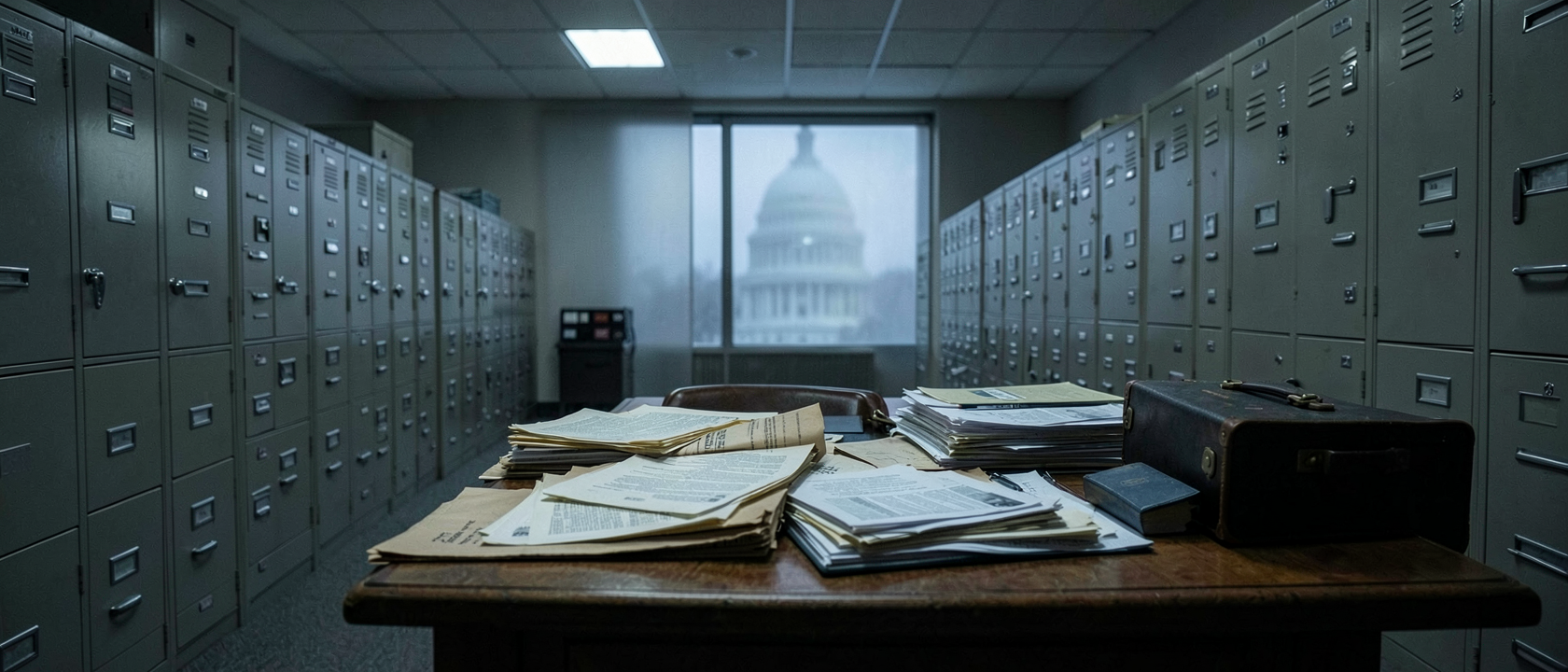
To reconstruct what happened, the OIG assembled a multidisciplinary team of administrative and criminal investigators, evaluators, auditors, and attorneys. Between them they worked through roughly 24.6 gigabytes of material: emails, memoranda, letters, agreements, plans, orders, reports, briefings, calendars, and phone records. Most of it came from six offices directly tied to the department’s response: the Office of the Secretary of Defense, the DoD General Counsel, the Chairman of the Joint Chiefs of Staff, the Secretary of the Army, the Chief of the National Guard Bureau, and the District of Columbia National Guard.
Supplementary records came from outside the department: the Office of the Mayor of Washington, D.C., the D.C. Homeland Security and Emergency Management Agency, the Department of the Interior, the U.S. Capitol Police OIG, and the FBI. Investigators then checked that paper trail against statements made in congressional testimony and in media interviews. The scale of the collection describes method. It does not describe outcome.
The Question the Review Was Asked
The review’s purpose is defined narrowly in the document itself: to determine whether the department’s preparations before January 6, 2021, and its response during and after the breach of the Capitol, complied with applicable laws, regulations, and procedural guidance. That is the task the Office of Inspector General set out to perform, stated plainly and repeated more than once in the material that has surfaced. What the available pages do not do is report back on how that task was resolved.
Where the Text Available Stops
The material that has surfaced follows the review through its method and its mandate, then stops. It neither says whether the department’s response, measured against the pressure of January 6, 2021, was adequate or delayed, nor names any office or individual as having fallen short of the law, the regulations, or the guidance the review was built to test against. No compliance verdict appears in this excerpt, favorable or otherwise, and nothing here shows whether the internal emails, orders, and calendars that investigators collected were found to match, or to contradict, what officials and witnesses told Congress and reporters afterward.
That is a gap in the record that is available, not a description of what the investigation itself failed to reach. A 153-page report built from a multidisciplinary team, six core offices, and five supplementary agencies plainly continues past its own table of contents. What is missing from this reading is the back half of the document, the findings, whatever they say. Nothing in the text at hand indicates that those findings were withheld, redacted, or suppressed. It indicates only that this particular copy, as read for this piece, ends before reaching them.
No Afterward Is Attached
Nothing in this record extends past the OIG’s own methodology section. No later congressional hearing transcript, no DoD statement responding to the report’s substance, and no outside commentary assessing it are part of the material reviewed here. That absence describes what is attached to this excerpt, not what exists in the wider public record; congressional reaction, press coverage, and any correction requests to the DoD Inspector General’s office may well exist elsewhere, filed under dates and committees of their own. What is confirmed is narrower and more mundane: before the report went public, the OIG circulated a preliminary version, on October 29, 2021, to the Deputy Secretary of Defense, the DoD General Counsel, and the Inspector General of the Army for their review. That routine step in the process is the last fixed point this excerpt offers before the record, as available here, runs out.